What Is a GFCI Outlet and Do You Need One?
Key Takeaways
- A GFCI outlet shuts off power in milliseconds when it detects a ground fault.
- GFCI outlets are required by code in kitchens, bathrooms, garages, and outdoors.
- Since 1971, GFCIs have reduced home electrocutions by 81 percent.
- A tripping GFCI is detecting a real problem – do not keep resetting it without finding the cause.
- Older homes built before 1973 likely have no GFCI protection and should be upgraded.
- GFCI outlet installation is a job for a licensed electrician when wiring work is involved.
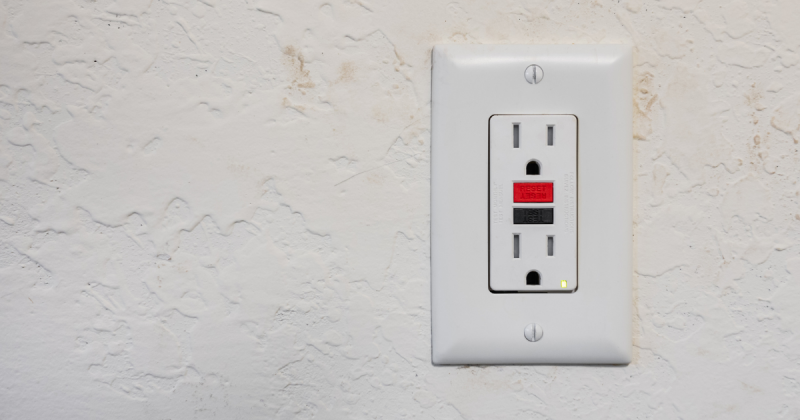
You have probably seen them without thinking much about it: the outlets in your bathroom or kitchen with two small buttons labeled TEST and RESET. Those buttons are not decorative. They are the visible face of one of the most effective electrical safety features in residential construction.
According to the Electrical Safety Foundation International, GFCI devices have reduced home electrocutions by 81 percent since their introduction in 1971, and roughly 47 percent of current electrocution deaths could still be prevented with proper GFCI protection. That is a significant gap, and a lot of it comes down to older homes that were never retrofitted with the right outlets.
What Is a GFCI Outlet?
GFCI stands for Ground Fault Circuit Interrupter. It is an outlet that constantly monitors the flow of electricity through a circuit. If it detects even a tiny imbalance, as small as 4 to 5 milliamps, between the current going out and the current returning, it trips and cuts power in less than one-tenth of a second.
That speed matters. A ground fault occurs when electricity finds an unintended path to the ground, which often means through a person. The human body can feel a shock at around 1 milliamp and go into cardiac arrest at levels well below what a standard circuit breaker is designed to catch. A GFCI is fast enough to interrupt the circuit before a fatal dose of electricity passes through.
A standard GFCI receptacle looks like a regular outlet with two additions: a TEST button and a RESET button. Pressing TEST simulates a ground fault and cuts power to the outlet. Pressing RESET restores it. That test-and-reset function is how you verify the outlet is still working correctly.
GFCI Outlet vs. GFCI Breaker: What Is the Difference?
There are two main types of GFCI protection:
- GFCI receptacle: The familiar outlet with TEST and RESET buttons. One GFCI receptacle can protect all outlets wired downstream from it on the same circuit, which is why a single tripped GFCI in a bathroom can knock out power to a seemingly unrelated outlet elsewhere in the house.
- GFCI breaker: Installed in the electrical panel rather than the wall. It protects all outlets on the entire circuit from a single point. More comprehensive, but also more involved to install.
Your electrician can recommend which type makes more sense depending on your panel setup and the number of outlets needing protection.
Where Are GFCI Outlets Required in a Home?
The National Electrical Code sets the minimum standards for where GFCI protection must be installed. Florida has adopted the NEC, and the 2023 updates expanded the required locations significantly.
Under the current NEC requirements, GFCI protection is required in the following locations:
- Bathrooms: All receptacles, including those inside vanity cabinets
- Kitchens: All receptacles throughout the kitchen, including refrigerator and dishwasher outlets
- Garages: All outlets, including those used for appliances
- Outdoors: All exterior outlets
- Unfinished basements and crawl spaces
- Near swimming pools, hot tubs, and pool equipment
- Laundry areas and utility sinks
- Boathouses
The 2023 NEC also expanded GFCI requirements to include branch circuits supplying electric ranges, wall ovens, clothes dryers, and microwave ovens. This is a significant change from previous code cycles, and it means that even appliances people have never thought of as GFCI-requiring now fall under the requirement for new installations and replacements.
What About Older Homes?
If your home was built before 1973, there is a good chance it has no GFCI protection at all. GFCIs were first required for outdoor outlets in 1971, bathroom outlets in 1975, and garage outlets in 1978. Kitchen requirements came even later.
Existing homes are not required to retrofit GFCI outlets simply because the code changed, but that does not mean you should not upgrade. The National Electrical Code is a minimum standard for new construction, not a safety ceiling for older homes. Many Tallahassee homes fall into this category, particularly in older neighborhoods where the original wiring has not been updated.
Why Does a GFCI Outlet Keep Tripping?
A tripping GFCI is not a malfunctioning one. It is doing exactly what it is supposed to do: cutting power because it detected something. The frustrating part is figuring out what that something is.
The most common causes of a GFCI outlet tripping include:
- Moisture or humidity: Water is the most frequent trigger. Even condensation inside the outlet box from a humid bathroom or outdoor enclosure can cause a trip.
- A faulty appliance: If a device plugged into the circuit is leaking current, the GFCI will catch it. Unplug everything connected to that circuit and reset. If it holds, plug devices back in one at a time to identify the problem appliance.
- Overloaded circuit: Too many devices drawing power at once can trip a GFCI, though this is less common than moisture or appliance issues.
- Wiring problems: Loose connections, reversed hot and neutral wires, or neutrals shared across circuits can cause persistent tripping that will not resolve by unplugging devices.
- A worn-out outlet: GFCI outlets have a lifespan. Most last between 10 and 15 years, and internal wear can cause nuisance tripping or failure to reset even when no fault is present.
How to Reset a GFCI Outlet
If a GFCI has tripped, here is the safe sequence to try:
- Unplug everything connected to the outlet and to any outlets it may be protecting downstream.
- If moisture is visible or suspected, let the area dry completely before proceeding.
- Press the RESET button firmly until you feel or hear it click into place.
- If it holds, plug devices back in one at a time. The one that causes it to trip again is likely the source of the problem.
A GFCI that will not reset with nothing plugged in is either detecting an active wiring fault or has failed internally. Either way, it is time to call an electrician. Repeatedly forcing a reset on a GFCI that is detecting a real fault is not a solution and can create a safety hazard.
When Should You Call an Electrician for a GFCI Problem?
Some GFCI issues are simple to troubleshoot at home. Others are not. A good rule of thumb: if the outlet involves wiring work, multiple outlets are affected, or you cannot identify a clear cause, stop troubleshooting and call a licensed electrician.
Call Meeks Electrical if:
- The GFCI will not reset even with nothing plugged in
- Multiple outlets in a room or across rooms stopped working at the same time
- You notice burn marks, discoloration, or a burning smell near any outlet
- The GFCI trips immediately after every reset with no appliance plugged in
- Your home is older and has never had GFCI outlets installed in required areas
- You want to add new GFCI outlets in a bathroom, kitchen, garage, or outdoor space
Adding or replacing GFCI outlets in most locations is straightforward for a licensed electrician. In some cases, particularly when running new circuits or upgrading an older panel, it connects naturally to other residential electrical services that can be handled in the same visit.
GFCI Protection and Tallahassee Homes
Tallahassee’s combination of high humidity, frequent summer thunderstorms, and a housing stock that spans several decades makes GFCI protection especially relevant. Moisture-related ground faults are more common in humid climates. Older homes are more likely to have outdated wiring and missing protection in areas where modern code now requires it.
Pool areas, exterior outlets used for landscaping equipment, garage workshops, and covered outdoor kitchens are all common situations where homeowners discover their outlets are not up to current code or are not functioning as expected. These are not just code issues. They are safety issues.
At Meeks Electrical, our team has served Tallahassee homeowners for over 50 years. We understand how local homes are built, what the common electrical gaps look like, and how to bring a system up to current standards without unnecessary disruption. Whether you need a single outlet replaced, a full room assessed for code compliance, or guidance on where GFCI protection is missing in your home, we can help.
Contact Meeks Electrical to schedule an assessment and make sure your home has the protection it needs.
FAQs: GFCI Outlet Installation
What is a GFCI outlet and how does it work?
A GFCI outlet, or Ground Fault Circuit Interrupter, monitors the flow of electricity in and out of a circuit. If it detects an imbalance of as little as 4 to 5 milliamps, meaning electricity is escaping through an unintended path, it cuts power in less than one-tenth of a second. This response time is fast enough to prevent a fatal electrical shock.
Where are GFCI outlets required in a home?
Under the current National Electrical Code, GFCI protection is required in bathrooms, kitchens, garages, outdoor areas, unfinished basements, crawl spaces, and anywhere near pools or spas. The 2023 NEC also expanded requirements to include outlets serving refrigerators, dishwashers, ranges, ovens, and clothes dryers. Homes built before the 1970s may lack GFCI protection entirely and are strong candidates for an upgrade.
Why does my GFCI outlet keep tripping?
A tripping GFCI is detecting a fault in the circuit. The most common causes are moisture inside or near the outlet, a faulty appliance drawing uneven current, an overloaded circuit, or wiring problems such as loose connections or reversed wires. If the outlet trips immediately after resetting with nothing plugged in, the outlet itself may have failed or there is an active wiring issue that requires a licensed electrician to diagnose.
How much does GFCI outlet installation cost?
The cost of installing a GFCI outlet varies depending on how many outlets are being replaced, whether new wiring is needed, and the condition of the existing electrical system. Replacing an existing outlet with a GFCI receptacle is typically a straightforward job for a licensed electrician. Installing new outlets in locations that do not currently have wiring involves more work and cost. Contact Meeks for an accurate estimate based on your home.
Can I replace a regular outlet with a GFCI outlet myself?
Replacing a standard outlet with a GFCI receptacle is a job some experienced DIYers attempt, but it must be done with the power off at the breaker and with a clear understanding of how the outlet is wired. GFCI outlets have line and load terminals that must be connected correctly. Incorrect wiring can leave downstream outlets unprotected or cause the GFCI to trip constantly. If there is any uncertainty, a licensed electrician is the safer choice.
How do I reset a GFCI outlet that will not reset?
Start by unplugging everything connected to the outlet and any outlets it may be protecting on the same circuit. Check for moisture and let the area dry if needed. Then press the RESET button firmly until it clicks. If it will not hold with nothing plugged in, the outlet has either failed internally or is detecting an active fault in the wiring. At that point, the outlet needs to be replaced or the wiring needs professional inspection. Do not force repeated resets on an outlet that will not hold.